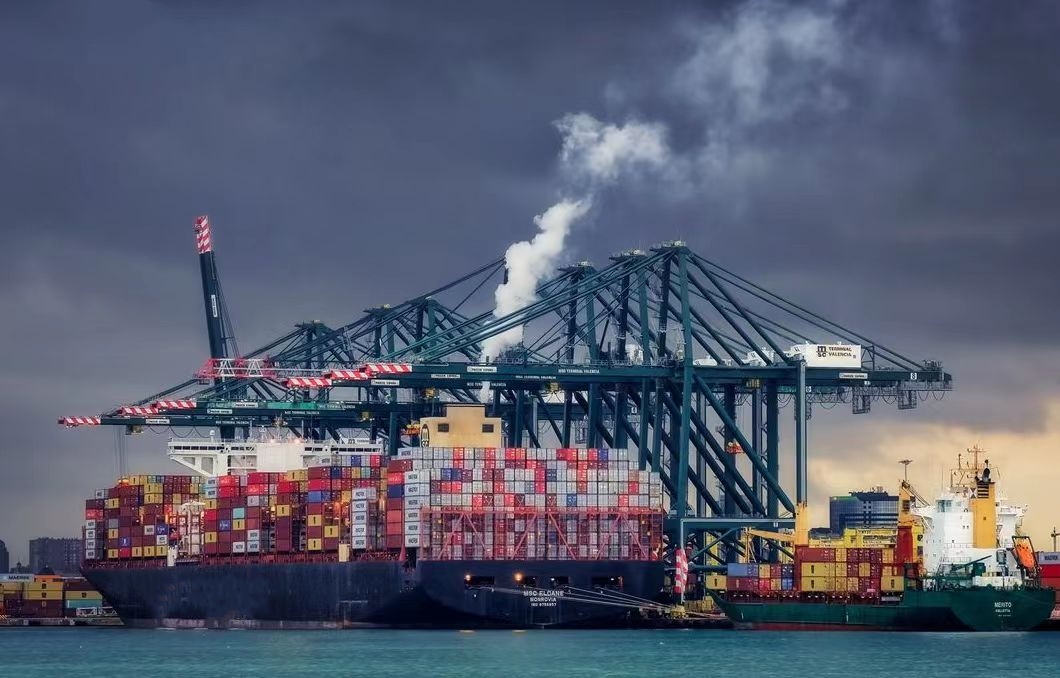
2026 年,货代行业早已告别 “价格战就能赢” 的粗放时代,一场围绕资金、合规、资源的生死博弈正在上演。外部监管收紧、平台规则重塑、行业资金结构失衡,三重压力叠加,让无数货代企业陷入经营困境,尤其是中小货代,更是面临 “有单不敢接、有货运不起” 的尴尬局面。
1. 合规成本飙升,突发风险频发
2026 年 2 月起,美国海关对中国出口货柜启动大规模全自动查验,从人工抽查升级为系统扫描 + 专人核单,大量货柜因文件问题被扣留、退运,所有损失最终都转嫁到货代身上 —— 一个货柜被扣,每天仅仓储费就高达 300 美金,退运再重运的费用更是一笔巨款;若签订了 “包查验”“延误赔款” 协议,额外赔付会让本就紧张的现金流雪上加霜。
同时,各类产品认证要求愈发严苛,货代的合规审核成本大幅提升,而行业运价竞争依旧激烈,利润空间被挤压至极致,中小货代成为最先被压垮的群体。
2. 平台集权加剧,账期鸿沟持续扩大
2025 年底亚马逊推出 “下一代跨境链”,深圳全球智能枢纽仓落地,彻底改变了传统物流运作模式,货代的议价能力被大幅削弱。为了争取订单,货代不得不接受 60 天、90 天甚至更长期限的付款账期,但向船公司、航司支付舱位费、运费时,却被要求现结或预付 —— 一头是长期收不回的账款,一头是即时要付出的成本,资金窟窿全靠货代自身填补,不少企业直言 “看似接了大单,实则在为银行和船公司打工”。
3. 融资渠道堵塞,轻资产陷入融资绝境
货代行业属于轻资产行业,核心资产只有订单、流水和账单,无法提供厂房、设备等实体抵押物,难以从银行获得贷款;民间借贷的高利息又会吞噬微薄利润,无异于饮鸩止渴。据 2026 年最新数据显示,84% 的货代企业被拖欠账款周期在 2 个月及以上,44% 长达 6 个月,即便手握优质订单,也因没有资金垫资而 “有单不敢接”,陷入增长停滞。
除此之外,行业底层逻辑的变化也让货代面临新的挑战:运价透明化瓦解了传统的差价盈利模式,船公司向下延伸布局端到端服务,挤压货代生存空间;人才断层凸显,存量人才技能老化,增量人才供给不足,难以匹配行业专业化、数字化发展需求;货源流向区域转移,传统沿海布局已无法满足客户需求,这些都让货代的生存难度进一步加大。
三、破局之路:以数据赋能、专业升级、模式创新突围
困境背后,往往蕴藏着转型机遇。2026 年,货代行业的竞争逻辑已彻底改变,不再是谁的价格更低,而是谁的资金更稳、服务更专业、模式更创新。面对多重压力,货代企业唯有主动求变,才能穿越行业周期,实现可持续发展。
1. 破解资金困境,数据融资成为核心解法
货代企业的核心资产是真实的商流、物流、金流数据,这些数据正是破解 “轻资产难融资” 的关键。目前,已有专业的供应链金融机构,基于货代企业的真实业务数据,打造了针对性的融资方案,无需实体抵押物,仅凭订单流水、应收账款等数据,就能为货代提供稳定、低成本的资金支持。
其中,物流应收账款池融资可将企业的应收账款打包,让企业提前回款,盘活沉淀资金;物流流水贷则基于企业订单流水授信,流水越高,授信额度越高,完美适配货代 “业务增长快、资金需求灵活” 的特点。借助这类融资产品,货代企业可彻底摆脱 “等米下锅” 的被动局面,有足够资金承接优质订单、锁定舱位,实现业务扩张。
2. 强化专业能力,从 “交易型” 向 “服务型” 转型
随着运价透明化,传统的差价盈利模式已难以为继,真正的利润正在向服务交付能力转移。货代企业需摒弃 “重揽货、轻服务” 的思维,聚焦专业能力升级:
- 一方面深耕细分领域,专注某一航线、某类货物(如危险品、冷链、超大件),打造差异化优势,成为细分领域的专家,提升客户粘性;
- 另一方面,加强合规管理和风险把控,精通各国海关政策、检验检疫要求,提前预判运输风险,制定应对方案,减少因合规问题带来的损失;
- 同时优化服务流程,提升响应速度,做好货物全程跟踪,及时向货主反馈动态,用专业、高效的服务赢得客户信任。
海威尔国际物流(广州)有限公司便立足广州南沙港区的区位优势,深耕华南至全球主要航线,强化合规审核与服务流程优化,凭借专业服务赢得了区域客户的认可,是中小货代转型的优秀样本。
3. 拥抱数字化转型,提升运营效率
在微利时代,运营颗粒度的精细程度决定了企业的生死。货代企业需借助数字化工具,优化订舱、报关、拖车、对账等各个环节,减少人工差错,降低运营成本;搭建数字化管理平台,实现订单、单证、资金的一体化管理,提升决策效率;利用大数据分析,精准把握市场趋势、客户需求,优化运输方案,提前锁定舱位资源。同时,借助数字化工具拓展客户渠道,打破地域限制,摆脱对传统客情关系的依赖,构建更稳定的客户群体。
4. 优化客户结构,重构客户关系
传统的 “客情关系” 已难以抵御市场竞争的冲击,货代企业需重新定义客户关系,从 “情感维系” 转向 “价值绑定”。深入了解客户的业务模式、生产布局和终端需求,嵌入客户供应链,提供定制化的物流解决方案,让客户离开的成本大幅提升;筛选优质客户,远离回款慢、信用差的客户,降低坏账风险,形成 “优质客户 — 稳定订单 — 良性现金流” 的循环。同时,根据客户需求分化,精准定位自身服务群体,要么聚焦大型企业的全球供应链解决方案,要么专注中小企业的贴身服务,避免 “大而全” 的粗放经营。
四、2026 年行业趋势:回归本质,向精细化、专业化、多元化发展
经历多重考验后,货代行业正逐步回归服务本质,未来的发展将呈现三大趋势,引领行业进入高质量发展阶段。
1. 盈利模式多元化,服务价值成为核心
差价模式将逐渐退出历史舞台,货代企业将更多依靠服务收费、增值服务盈利,如供应链优化、定制化方案设计、风险管控等,那些能为客户创造额外价值的企业,将获得更高的利润空间。同时,多式联运、跨境电商物流、海外仓配套服务等领域,将成为货代企业新的利润增长点。
2. 行业集中度提升,差异化竞争成为主流
未来几年,资金实力弱、服务能力差的中小货代将逐步被淘汰,行业资源将向头部企业和细分领域龙头集中。同时,越来越多的货代企业将放弃 “大而全” 的模式,聚焦细分航线、细分货物,打造差异化优势,形成 “强者恒强、特色鲜明” 的行业格局。
3. 数字化、智能化深度融合
人工智能、大数据、物联网等技术将广泛应用于货代行业,从订单报价、舱位预订,到货物跟踪、清关申报,实现全流程智能化。例如,通过 AI 算法优化运输路径,预测舱位价格波动,提前规避风险;利用物联网技术实现货物实时跟踪,提升客户体验;借助数字化平台实现与货主、承运人、海关的无缝对接,提升物流效率。
结语
2026 年,货代行业的 “生死局”,本质上是行业底层逻辑的重构 —— 从资源驱动转向能力驱动,从关系驱动转向服务驱动,从粗放经营转向精细运营。对于货代企业而言,困境既是挑战,也是转型的契机。
货代作为国际贸易的核心中介,其价值从未被替代,只是行业对企业的专业能力、资金实力、创新能力提出了更高的要求。未来,唯有坚守服务本质,强化专业能力,拥抱数字化转型,善用数据赋能,优化客户结构,才能穿越行业周期,在全球供应链的重构中,实现可持续发展,继续扮演好跨境物流 “桥梁” 的重要角色。
像海威尔国际物流(广州)有限公司这样扎根区域、贴合市场的货代企业,正是行业转型中坚守初心、稳步前行的缩影,也为中小货代企业的发展提供了可借鉴的思路。毕竟,在跨境贸易的长河中,唯有那些专业、高效、有温度、能创新的货代企业,才能走得更远、更稳。
最后打个小广告,做国际物流运输,我们海威尔是认真的~如果你也有物流方面的需求或困扰,欢迎致电020-38801254或者邮箱admin@conveycn.com,谢谢~
As a critical link in international trade, freight forwarding plays an irreplaceable role: acting as a bridge between shippers and carriers, it integrates logistics resources with professional capabilities, solves cross-border transportation problems, and serves as the “lubricant” for the smooth operation of global supply chains.
However, entering 2026, the freight forwarding industry is facing unprecedented pressures: platform centralization, heavy account period pressure, and stricter compliance requirements have severely impacted traditional business models. The industry is undergoing a life-or-death transformation. Only by understanding the industry’s true nature and finding a breakthrough path can companies stand firm in a changing market and achieve high-quality development.
I. Core Value of Freight Forwarders: More Than “Middlemen”
Many people view freight forwarders simply as booking agents. This is a one-sided misunderstanding.The core value of forwarders lies in breaking down information, process, and resource barriers in cross-border logistics through professional capabilities, providing one-stop, full-chain logistics solutions. Their role goes far beyond simple matchmaking.
Forwarders’ services cover the entire transportation process:
- Before shipment: design optimal transport plans based on cargo type, timeline, and budget, securing competitive rates and stable space.
- During transit: prepare customs documents, handle declarations and inspections, arrange trucking, loading, and temporary storage.
- After arrival: track cargo status, manage documentation, resolve delays, damages, and customs clearance issues, and provide insurance and certificate services.
Unlike shipping lines or airlines, forwarders do not own vessels or aircraft. Their competitiveness lies in resource integration and professional service capabilities. They are logistics advisors for shippers and booking partners for carriers, serving as key hubs in complex cross-border logistics networks.
II. Challenges in 2026: Triple Pressures Weigh Heavily
The era of “winning by price wars” is long gone. In 2026, the industry is trapped in a three-dimensional crisis.
1. Soaring Compliance Costs & Rising Risks
Since February 2026, U.S. Customs has launched full-scale automated inspections on Chinese export containers. Many cargoes are detained or returned due to documentation issues, with all costs passed to forwarders. Detention fees can reach $300 per day per container.Stricter product certification requirements have further raised compliance costs, while price competition remains fierce, squeezing profit margins to a minimum.
2. Platform Centralization & Severe Cash Flow Pressure
Major platforms have restructured cross-border logistics, greatly weakening forwarders’ bargaining power.To secure orders, forwarders often accept 60–90+ day credit terms, yet must pay carriers upfront. This creates a huge funding gap. Many forwarders admit:“It looks like we’re getting big orders, but we’re actually working for banks and carriers.”
3. Financing Difficulties for Asset-Light Enterprises
As an asset-light industry, forwarders lack fixed assets for bank collateral. Traditional financing is nearly inaccessible.According to 2026 data:
- 84% of forwarders face payment delays of 2 months or more
- 44% face delays of 6 months or longer
Even with good orders, many cannot take them due to lack of working capital.
Other challenges include transparent freight rates, direct carrier expansion, talent shortages, and shifting cargo flows.
III. Breakthrough Paths: Empowerment Through Data, Professionalism, and Innovation
The logic of competition has completely changed. Success now depends on stable capital, professional services, and innovative models.
1. Solve Capital Pressure with Data-Driven Financing
Real business data — orders, logistics flows, account receivables — has become the core asset for forwarders.Supply chain finance institutions now offer:
- Accounts receivable financing
- Business flow-based credit loans
These require no physical collateral and perfectly match forwarders’ capital needs.
2. Upgrade from Transaction-Oriented to Service-Oriented
With transparent freight rates, profits now come from service delivery.Forwarders must:
- Focus on niche routes or cargo types (dangerous goods, cold chain, oversized cargo)
- Strengthen compliance and risk control
- Optimize response speed and full-cargo tracking
- Build professional, reliable service capabilities
3. Embrace Digital Transformation
Digital tools improve efficiency in booking, customs clearance, trucking, and reconciliation.A unified management platform integrates orders, documents, and funds. Big data supports market forecasting, route optimization, and customer acquisition.
4. Optimize Customer Structure & Rebuild Relationships
Forwarders must shift from “relationship-based” to “value-based” cooperation.By embedding into customers’ supply chains and providing customized solutions, forwarders increase switching costs for clients.Selecting high-quality, on-time paying customers creates a healthy cash-flow cycle.
IV. 2026 Industry Trends: Return to Essence, Develop Specialization
After undergoing multiple tests, the industry is returning to its service roots. Three major trends are emerging:
1. Diversified Profit Models
The traditional price-difference model is fading. Profits will come from services: supply chain optimization, customized solutions, risk management, cross-border e-commerce logistics, and overseas warehouse support.
2. Higher Industry Concentration & Differentiated Competition
Weak small- and medium-sized forwarders will be eliminated. Resources will concentrate toward leading and niche specialists.“Small but professional” will replace “large but incomplete.”
3. Deep Integration of Digitalization & Intelligence
AI, big data, and IoT will be widely used in:
- Intelligent quotation
- Route optimization
- Real-time cargo tracking
- Automated customs declaration
- Seamless collaboration across shippers, carriers, and customs
Conclusion
The “life-or-death situation” in 2026 is essentially a reconstruction of the industry’s underlying logic:
- From resource-driven to capability-driven
- From relationship-driven to service-driven
- from extensive operation to refined management
The value of freight forwarders as core intermediaries in international trade has never been replaced.In the future, only forwarders that uphold professionalism, embrace digitalization, leverage data, optimize customer structure, and stick to their service roots will navigate industry cycles and achieve sustainable growth.
In the long river of cross-border trade, only professional, efficient, innovative, and customer-centric freight forwarders will travel further and steadier.
A small promotion at the end: At CONVEY International Logistics (Guangzhou) Co., Ltd., we are committed to professional international logistics and transportation services.If you have any logistics requirements or challenges, please feel free to contact us at: Tel: 020-38801254 or Email: admin@conveycn.com. Thank you for your support.